What a SAD lamp does
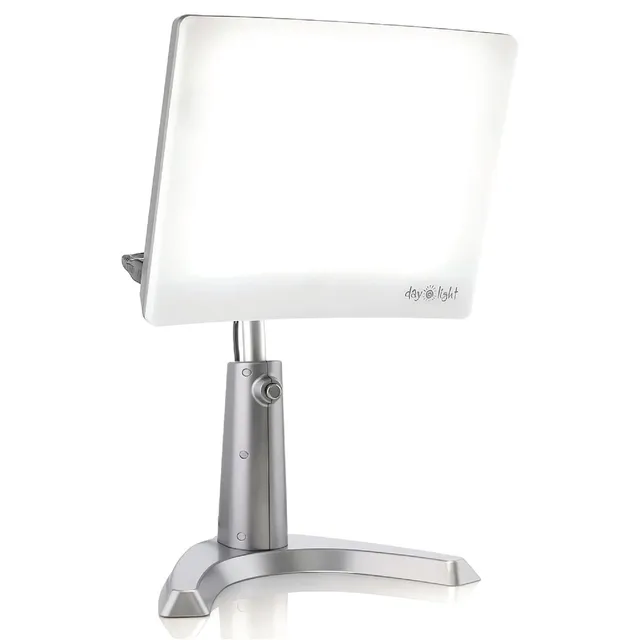
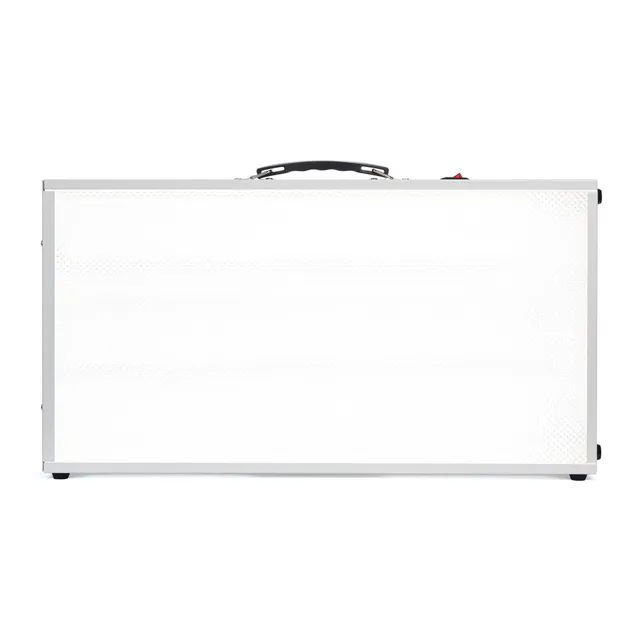
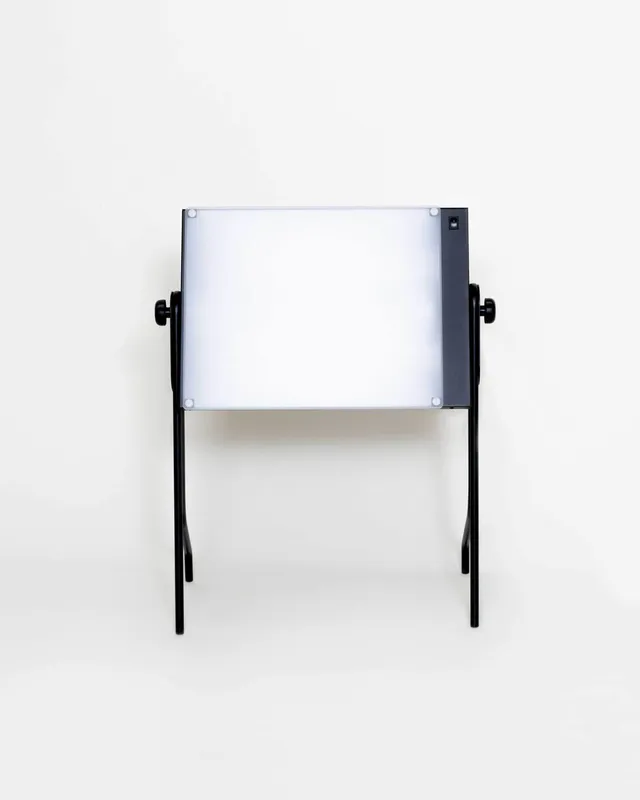
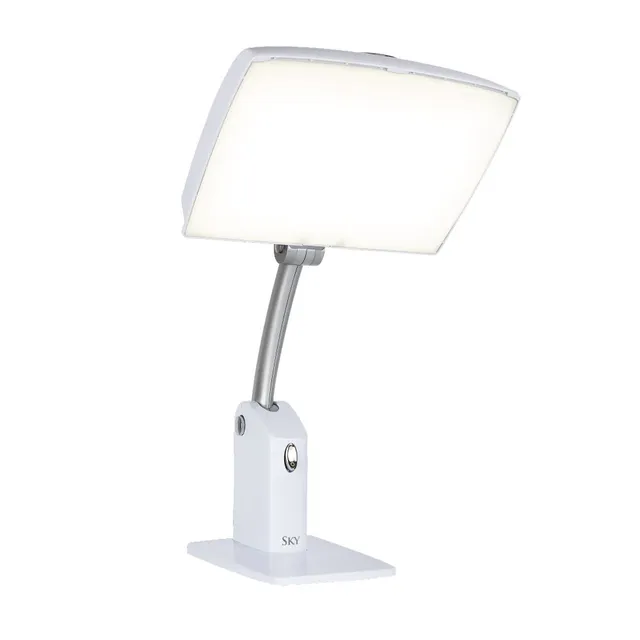
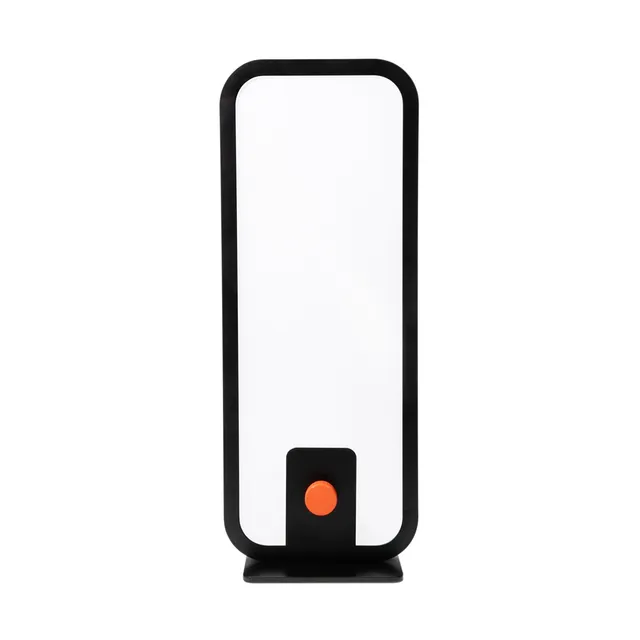
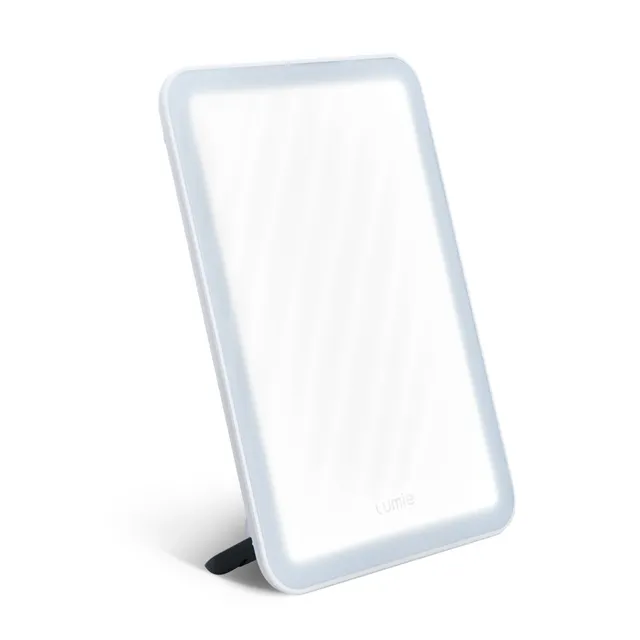
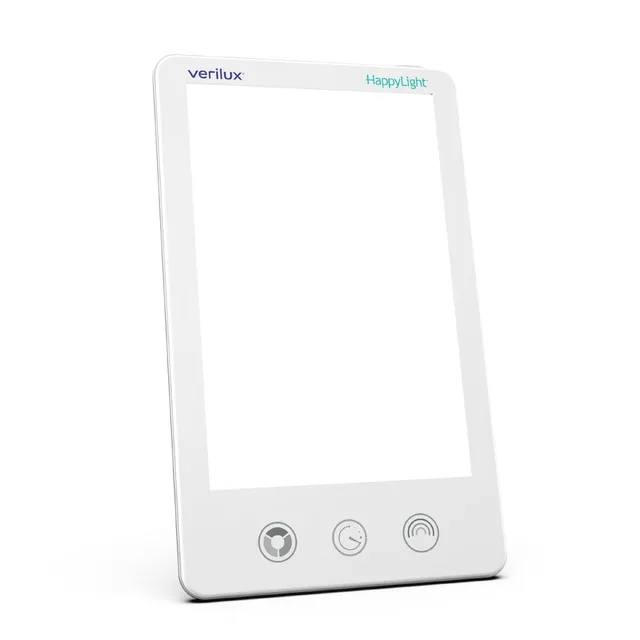
A SAD lamp is a bright, diffuse white light you sit near for 20 to 30 minutes, usually soon after waking. The standard dose, used in trials such as CAN-SAD, is 10,000 lux for 30 minutes each morning.1 That is far brighter than ordinary room lighting; the lux levels chart puts the numbers side by side.
Morning light also moves the body clock earlier. In 42 people with SAD, morning sessions advanced the timing of melatonin release and evening sessions delayed it. In a larger sample of 80, early-morning light beat both late-morning and evening light.2 That is why most people run a light therapy lamp at breakfast, not after dinner. The SAD lamp how-to and the morning sunlight guide cover timing in more detail.
What the research says about light therapy lamps
The evidence is strongest for treating SAD and weakest for preventing it.
- Seasonal depression. A 2020 meta-analysis of 19 randomized trials found bright light beat placebo on depression scores (standardized mean difference −0.37; 18 trials, 610 patients) and on response (risk ratio 1.42). Most trials were small and the authors rated risk of bias as moderate to high.3
- Against an antidepressant. In the CAN-SAD trial (n=96), 10,000 lux for 30 minutes each morning matched fluoxetine 20 mg over 8 weeks: 67% responded in both groups. Fluoxetine caused more agitation, sleep disturbance and palpitations.1
- Nonseasonal depression. In an 8-week trial of 122 adults, light alone beat placebo (d = 0.80) and light plus fluoxetine did better (d = 1.11).4 A 2025 meta-analysis of 11 trials and 858 patients found remission in 40.7% with added light versus 23.5% without.5
- Prevention. A 2019 Cochrane review found a single usable trial of 46 people on starting light before symptoms appear, and rated the evidence very low quality.6
These trials used clinical light boxes at a fixed distance. The results do not carry over to a small lamp used at arm’s length.
Why 10,000 lux on the box is not enough
Light from a lamp drops off fast as you move back. Lumie’s own figures for its Vitamin L show the pattern: 10,000 lux at 20 cm, 5,000 lux at 30 cm and 2,500 lux at 50 cm. A “10,000 lux” claim with no distance tells you very little.
The Center for Environmental Therapeutics (CET), a nonprofit led by light therapy researcher Michael Terman, sets the target as 10,000 lux at a comfortable sitting distance and warns that many lamps reach it only close up.7 When Yale researchers measured 24 commercial devices, only 7 met three basic criteria: at least 7,000 lux at the recommended distance, at least 5,000 lux six inches off center, and tolerable glare. Some lamps sold as 10,000 lux hit that figure only at unreasonably close range.8
Yale’s light therapy group treats lux and time as a trade-off. Thirty minutes at 10,000 lux is thought to equal about 60 minutes at 5,000 lux or 120 minutes at 2,500 lux, and it advises aiming for at least 7,000 lux.9 A lamp rated at 6 inches can still help, but only if you sit that close or accept much longer sessions.
You can check your own setup. Yale notes that phone apps using the front camera can measure lux, or you can use a dedicated lux meter. Measure at eye position, facing the lamp. The how many lux guide explains what the readings mean.
How to set up a SAD lamp
- Distance first. Sit where the maker rates 10,000 lux, then confirm it with a meter.
- Light from above. CET recommends a panel that sits higher than your eyes and tilts down toward them. Boxes aimed upward add glare.7
- Do not stare. Read, eat or work with the light in your field of view.
- Same time each morning. The light exposure planner fits sessions around your local sunrise. Late sleepers can start with the chronotype quiz.
- Give it four weeks. Yale says that is long enough to judge whether it helps, and argues sellers should offer at least a two-month trial.9
Who should check with a doctor first
- Bipolar disorder. Bright light can trigger hypomania, especially in the first few days.10 Trials in bipolar depression have used midday light alongside mood stabilizers under supervision; one with 46 patients saw no mood switches.11
- Light-sensitizing drugs. The BOXelite instructions list lithium, melatonin, tetracycline, St. John’s Wort, retinoic acid creams and some chemotherapy drugs as medications that raise sensitivity to light.12
- Eye problems. The same instructions tell anyone with a history of eye problems, or who has been told to wear sunglasses in sunlight, to see a clinician first.12
- Severe depression. A lamp does not replace care. If symptoms are severe or include thoughts of self-harm, contact a doctor or a crisis line.
How these lamps were ranked
Each lamp was scored on its rated 10,000 lux distance, independent measurements from Yale’s light therapy group where they exist, light area, color temperature, UV filtering, adjustability, warranty and return terms. Price matters at the margin. Affiliate commission does not affect rank, and none of these lamps was physically tested for this page. The full process is on the methodology page.