Red light therapy mask or panel: which to buy
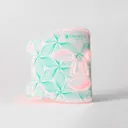
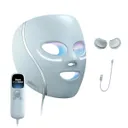
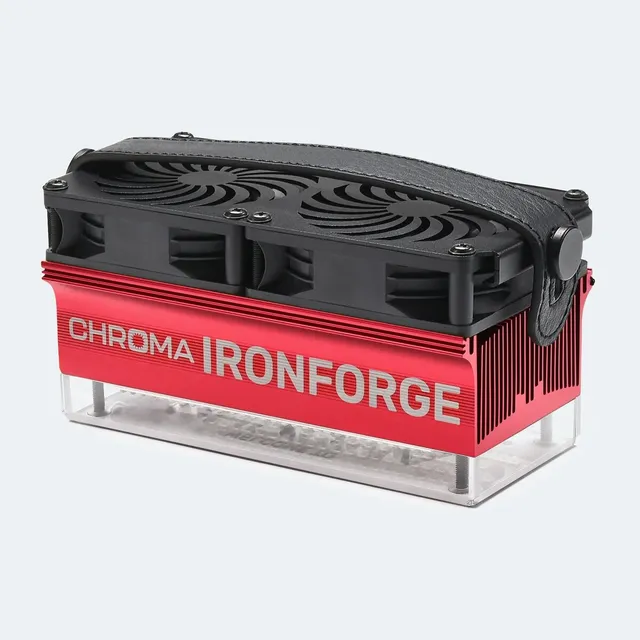
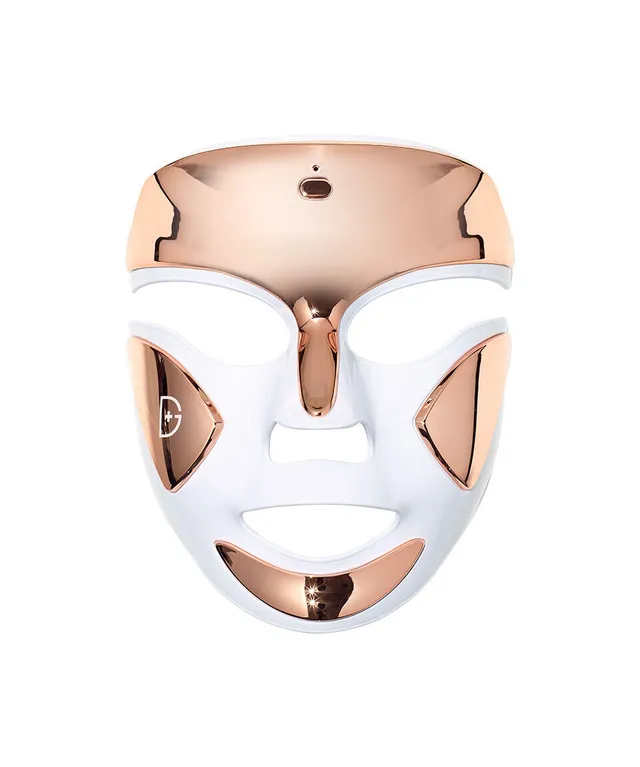
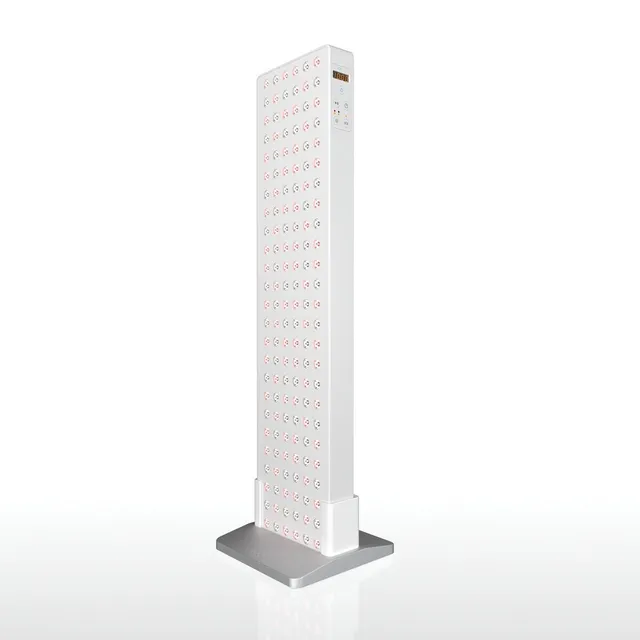
For skin, buy an FDA-cleared red light therapy mask. It sits on the face, delivers a fixed dose in 3 to 10 minutes, and uses the 630 to 660 nm red and 830 to 850 nm near-infrared light tested in most skin trials. Buy a panel only if you want to treat larger areas like the back or legs.
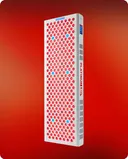
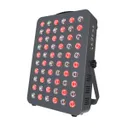
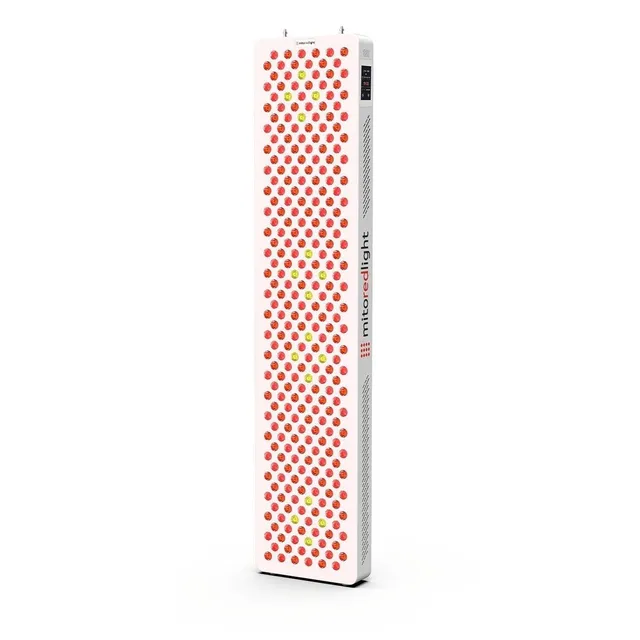
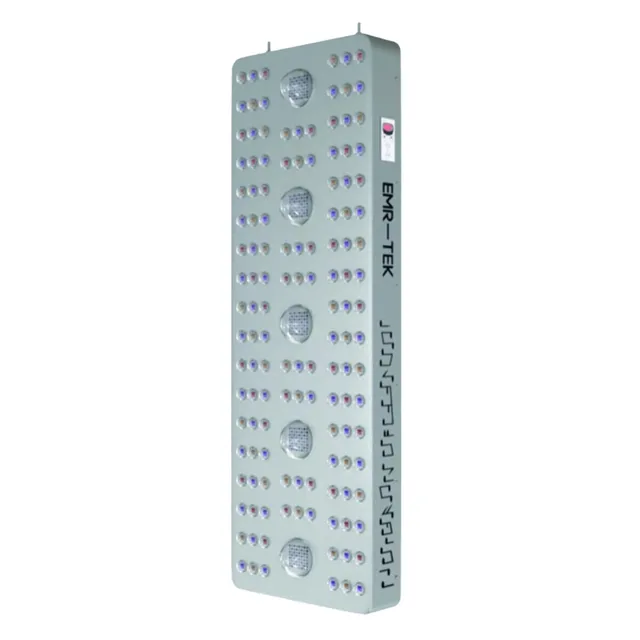
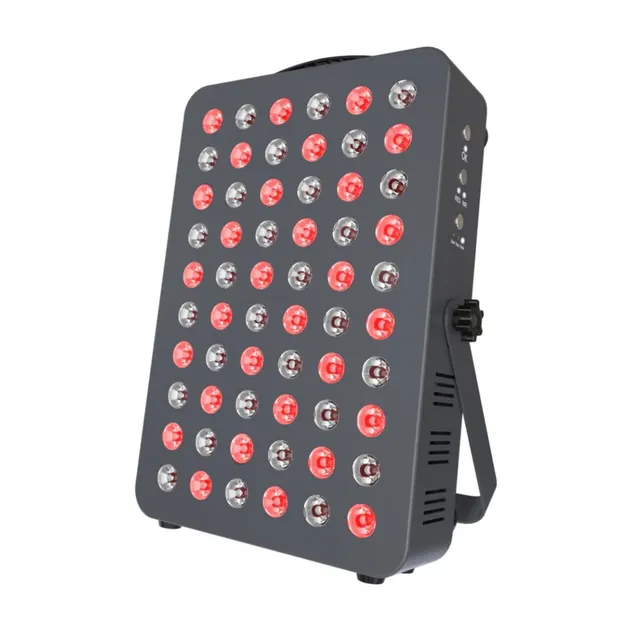
Three of the four masks below have a 510(k) number you can check. None of the panels does. A panel also leaves distance and time up to you, and a 30-inch panel is a poor way to treat a face.
What the research says for skin
The best skin trial is small but well designed. In a double-blind, sham-controlled split-face study of 76 people, eight LED sessions at 633 nm, 830 nm or both reduced measured wrinkles by up to 36% and raised elasticity by up to 19% from baseline.1 A randomized trial of 136 volunteers found better collagen density and skin roughness after 30 sessions of red or red-plus-near-infrared light, compared with untreated controls.2
Most early trials used clinic or full-body devices. Home masks now have direct evidence too. A 2025 multi-center, double-blind trial gave 60 adults a 630/850 nm mask or a sham device, and independent raters scored crow’s feet better in the real-mask group at 8, 12 and 16 weeks.3
For acne, blue (415 nm) plus red light cut inflammatory lesions by 76% after 12 weeks in a 107-patient randomized trial.4 A systematic review of home devices gave LED for acne a grade B recommendation.5 Expect subtle change over 2 to 4 months. The does red light therapy work guide covers the wider evidence.
What the research says for sleep
The study most often quoted gave 10 female basketball players 30 minutes of whole-body 658 nm light every night for 14 days. Their sleep-quality scores and melatonin improved compared with 10 teammates who lay under the device with no light on.6 There was no sham light.
A 2026 trial in 59 older adults with insomnia found better self-rated sleep after 60 minutes of 850 nm light to the neck each night. Actigraphy and melatonin did not change, and every group got an active light, so there was no inactive control.7 That is not enough to buy a panel for sleep. See red light therapy for sleep for the details.
FDA cleared vs FDA registered
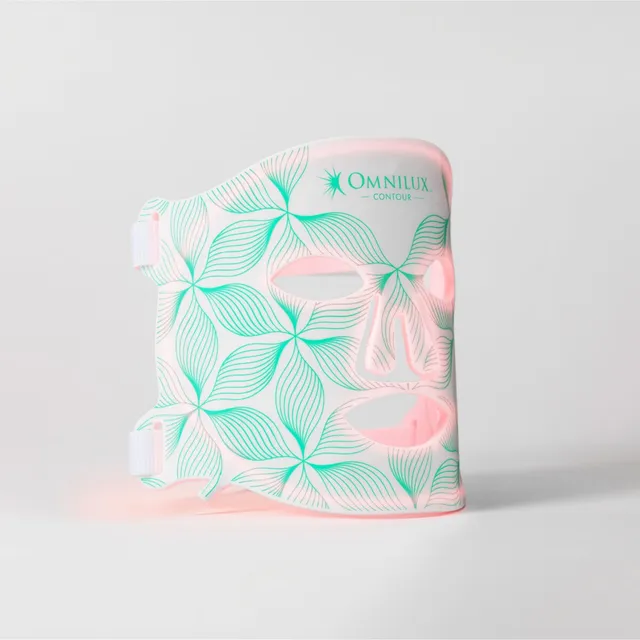
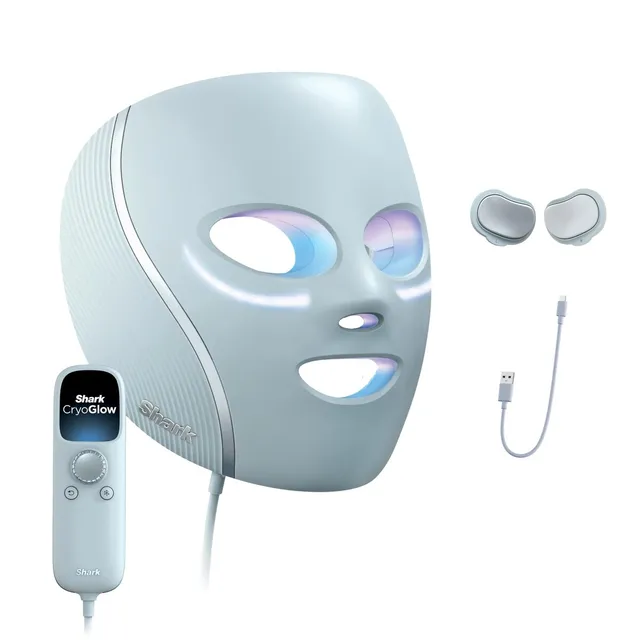
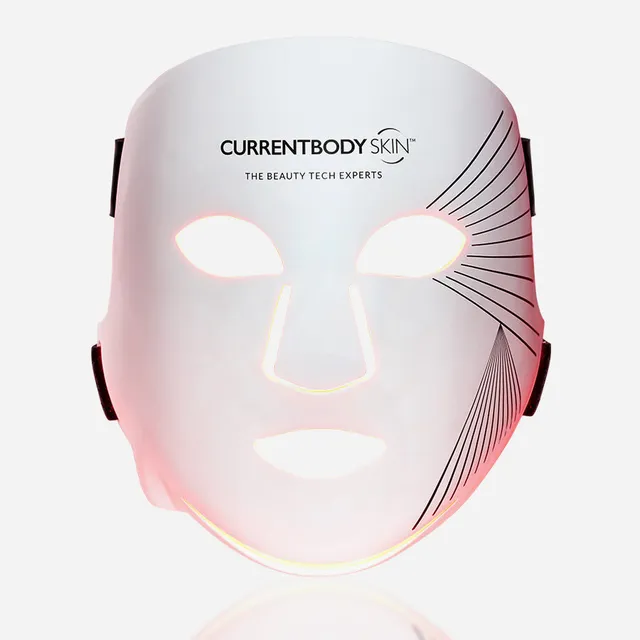
“FDA cleared” means the device passed a 510(k) review and has a K number in the FDA database. Wrinkle devices fall under product code OHS and acne devices under OLP. The Omnilux Contour is listed under K191629, the CurrentBody Series 2 is K250966 and the Shark CryoGlow is K242796. Dr. Dennis Gross says its mask is cleared but does not publish a number.
“Class II registered”, the wording on most panels, means the company listed the device with the FDA. Panels sold as infrared therapeutic heating lamps (product code ILY) are exempt from 510(k) review.8 Clearance is not proof of results either. The American Academy of Dermatology describes it as a finding that a device poses low risk.9 The FDA-cleared devices guide goes further.
Why red light therapy panel numbers disagree
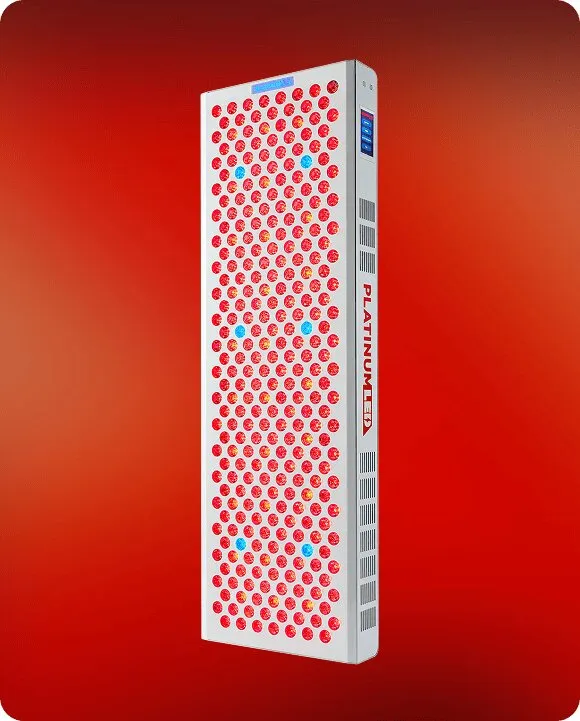
Brands quote irradiance in mW/cm² and measure it however they like. Mito’s own page lists over 160 mW/cm² at 6 inches on a solar meter and over 73 on a lab spectroradiometer for the same panel.10 Spectrometer averages at 6 inches by reviewer Alex Fergus put the PlatinumLED BioMax 900 at 90, the MitoPRO 1500X at 68 and the Joovv Solo 3.0 at 59 mW/cm².11
Masks run lower, around 30 mW/cm² on the skin, which is why most sessions last 10 minutes. The Shark CryoGlow’s FDA filing lists 128 mW/cm² in its anti-aging mode, which lets it finish in about 6.
How to use a mask or panel
- Use the built-in timer. Skin trials ran 2 to 5 sessions a week for 4 to 16 weeks.
- Panel brands suggest 6 to 24 inches and about 10 minutes per area. Closer means a higher dose.
- Wear goggles if the instructions say so. Joovv, for example, says to wear them whenever near-infrared is on.
- Take photos in the same light every 4 weeks and judge after 8 to 12 weeks.
Using red light in the evening
Red light is a sensible choice after dark. Melatonin suppression is most sensitive to light at 446 to 477 nm and much weaker toward red.12 Two caveats apply. Some devices add blue LEDs, such as the BioMax’s 480 nm channel, which can be switched off, and the 415 nm acne modes on masks. And a bright panel at close range is still bright.
The light exposure planner helps time light across the day, and amber and red bulbs handle evening room lighting.
Who should skip red light therapy
Talk to a dermatologist first if you take medication that makes skin more sensitive to light or have a light-sensitive condition such as lupus. The AAD says red light may not be recommended in those cases, and that people with darker skin can be more prone to lasting dark spots from visible light.9 If you have an eye condition, ask an eye doctor before using a bright device close to your face. The red light therapy risks guide covers side effects.